
The 50/30/20 budget rule, explained simply
50% for needs, 30% for wants, 20% for savings. A simple rule to organise your salary, with worked examples and the tweaks that make it fit real life.
Saving is not only for big salaries. Here is how to save money on a low income, starting with small amounts, small expenses and habits that last.
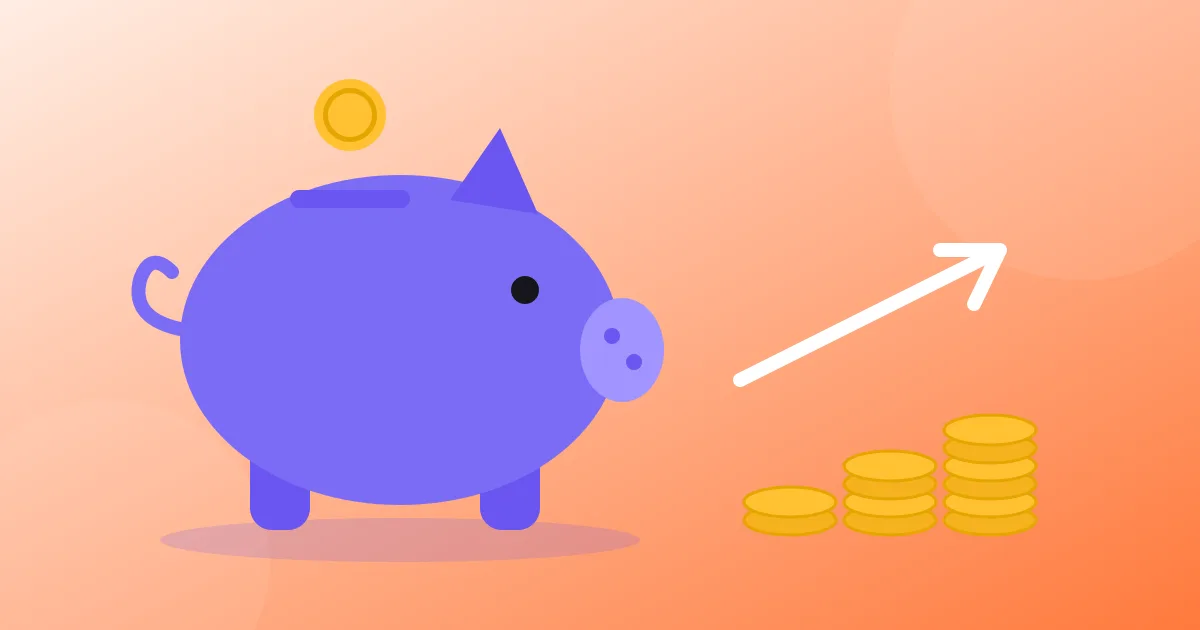
When the salary barely covers rent, food and transport, saving can sound like advice for other people. Yet the families and individuals who manage to put money aside on a modest income are not doing magic. They save small amounts, very regularly, and they keep a close eye on the little expenses that quietly eat the rest. If you want to know how to save money on a low income, the answer is less about sacrifice and more about method.
On a tight budget, a single unexpected expense, such as a broken phone, a medical bill or a car repair, can push you into debt or late payments. A small savings buffer is what stops one bad week from becoming a bad year. It is not about getting rich, it is about breathing room.
The second reason is confidence. Seeing even 200 TND or 100 EUR set aside changes how you feel about money. It proves that saving is possible, and that motivation feeds the habit.
Forget the idea that you need to save 20 percent. On a low income, start with what you can keep without fail: 5 percent, 2 percent, or simply a fixed amount like 20 TND, 10 EUR or 50 AED a month.
The amount matters less than the regularity. Move it on payday, before you start spending, not at the end of the month with whatever is left, because at the end of the month there is rarely anything left. Once the habit is solid, raise the amount a little every few months.
You cannot save what you cannot see. Spend two to four weeks logging every expense, including the coffee, the bus fare and the snack. Most people find one or two surprises: a habit that costs more than they thought, or a category that grows without them noticing.
A free tracking app makes this almost effortless. Our page on the free expense tracker app for Android shows how quick logging can be, even for cash.
Once you know your real spending, give every amount a job: rent, bills, food, transport, savings, a small amount for yourself. A budget is not a punishment, it is a plan that protects your savings from the rest of the month. Our step-by-step guide on how to make a monthly budget works for any income level.
If your money comes in cash or you tend to overspend on a few categories, the cash envelope system is especially effective on a low income: one envelope per category, and when it is empty, spending stops.
It is tempting to start with the biggest expenses, but rent and bills are often hard to change quickly. Small daily expenses are easier to adjust and they add up fast. A coffee at 3 TND every working day is about 66 TND a month and close to 800 TND a year. A delivery meal at 12 EUR twice a week is around 100 EUR a month.
You do not need to cut everything. Pick one or two habits, reduce them rather than ban them, and send the difference straight to savings. Our article on what your coffee really costs shows how to do the maths on any habit.
Food is one of the few big categories you control every week. A few habits make a real difference:
Saving 15 to 20 percent on groceries is often realistic without eating less well, and on a small salary, that can be the largest saving of the month.
Phone plans, internet, insurance and subscriptions tend to creep up. Once a year, list them and ask three questions: do I still use it, is there a cheaper plan, can I share it? Cancelling one unused subscription and switching to a cheaper phone plan can free a meaningful amount every month, forever.
Your first savings goal should be a small emergency fund. A common target is one month of essential expenses, built slowly. If your essentials are 900 TND a month, saving 30 TND a month gets you there in about two and a half years, and every extra dinar shortens the road.
Keep this money in a separate place, a different account or a dedicated savings wallet, so it is not spent by accident. Only use it for real emergencies, and refill it afterwards.
Bonuses, gifts, tax refunds, a sale of something you no longer need: these are the moments when saving on a low income can jump forward. A simple rule helps: save half of any unexpected money and enjoy the other half guilt-free.
Saving money on a low income starts with tiny, automatic amounts on payday, a clear view of your spending and a simple monthly plan. Cut the small leaks, plan food, review bills and build an emergency buffer first. Pennoway, a free budget app, helps with every step: quick expense logging, a daily allowance that keeps the month in view, bill reminders and a separate wallet for your savings.

50% for needs, 30% for wants, 20% for savings. A simple rule to organise your salary, with worked examples and the tweaks that make it fit real life.
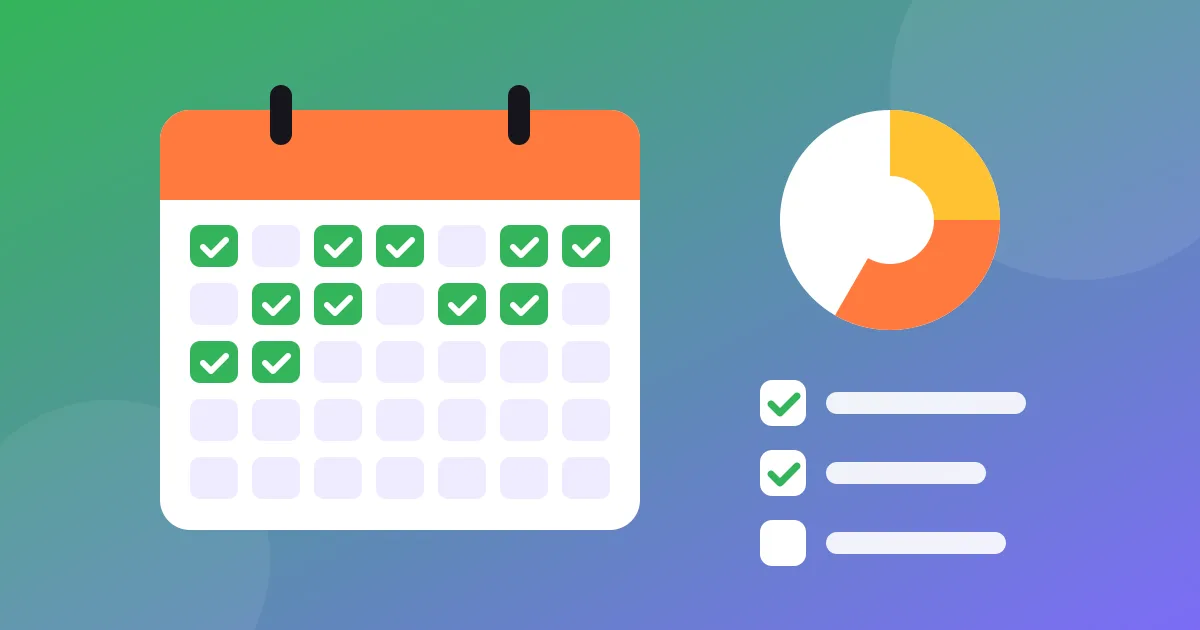
From your take-home pay to a plan you can actually follow: a beginner-friendly guide to making a monthly budget, with a full worked example.
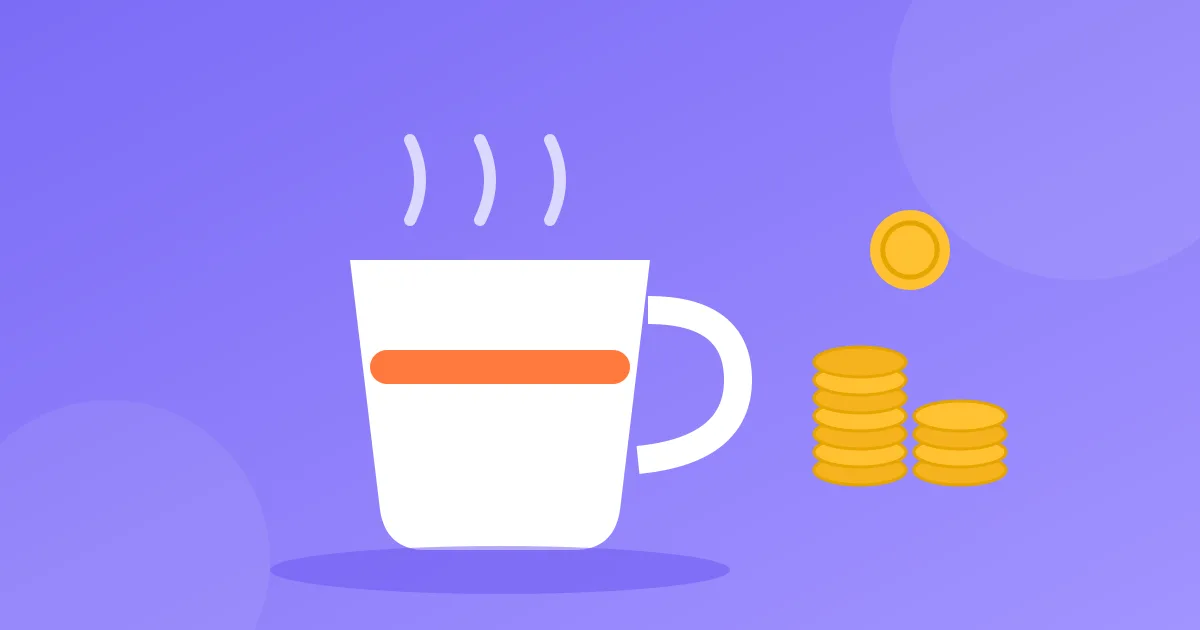
One coffee a day costs a few dinars. Over a year, it can add up to the price of a new phone. Let’s do the math together, guilt-free.
Budgeting methods, saving ideas and Pennoway news. Free, no spam, one-click unsubscribe.